ValuBot is live!
Buying a business can be an exciting venture, but securing the necessary funding often presents a challenge. At Unbroker, we’ve helped numerous entrepreneurs navigate the complex process of obtaining a bank loan to buy a business.
This guide will walk you through the essential steps, from preparing your loan application to understanding the types of loans available and key factors banks consider. We’ll also provide practical tips to increase your chances of approval and explore alternative financing options.
How to Prepare Your Loan Application
Gather Financial Documents
Start your loan application process by collecting comprehensive financial documents for the business you want to buy. These typically include:
- Three years of tax returns
- Profit and loss statements
- Balance sheets
- Cash flow statements
- Accounts receivable and payable aging reports
Banks need to see the financial health of the business you plan to purchase. The more detailed and organized these documents are, the higher your chances of approval. Your credit history is a key factor in loan approval, so obtain copies of your personal and business credit reports from major credit bureaus.
Create a Business Plan and Projections
A detailed business plan showcases your vision and expertise. Include:
- Executive summary
- Company description
- Market analysis
- Organization and management structure
- Service or product line
- Marketing and sales strategies
- Financial projections for the next 3-5 years
Business plan and financial projections for bank loans should include key elements such as income statements, balance sheets, cash flow statements, and key financial metrics.
Improve Your Personal Credit Score
Your personal credit score significantly influences the loan approval process. Personal credit score requirements for business acquisition loans vary, but having a FICO score in the mid-600s will help you qualify. If your score falls below this threshold:
- Check your credit report for errors and dispute any inaccuracies
- Pay down existing debts
- Avoid applying for new credit before seeking a business loan
Calculate the Loan Amount
Accurately calculate the loan amount you need. Consider:
- Purchase price of the business
- Working capital needs
- Potential renovation or equipment costs
- Loan fees and closing costs
A common mistake is to underestimate the total amount needed.
Allow Ample Preparation Time
Thorough preparation takes time but significantly increases your chances of loan approval.
With your loan application prepared, it’s time to explore the various types of bank loans available for buying a business. Each loan type has its own set of requirements and benefits, which we’ll discuss in the next section.
What Bank Loans Can You Get to Buy a Business?
When you look to buy a business, understanding your financing options becomes essential. Various loan types can help entrepreneurs acquire businesses. Let’s explore the most common bank loans for business acquisitions.
SBA Loans: 7(a) and 504 Programs
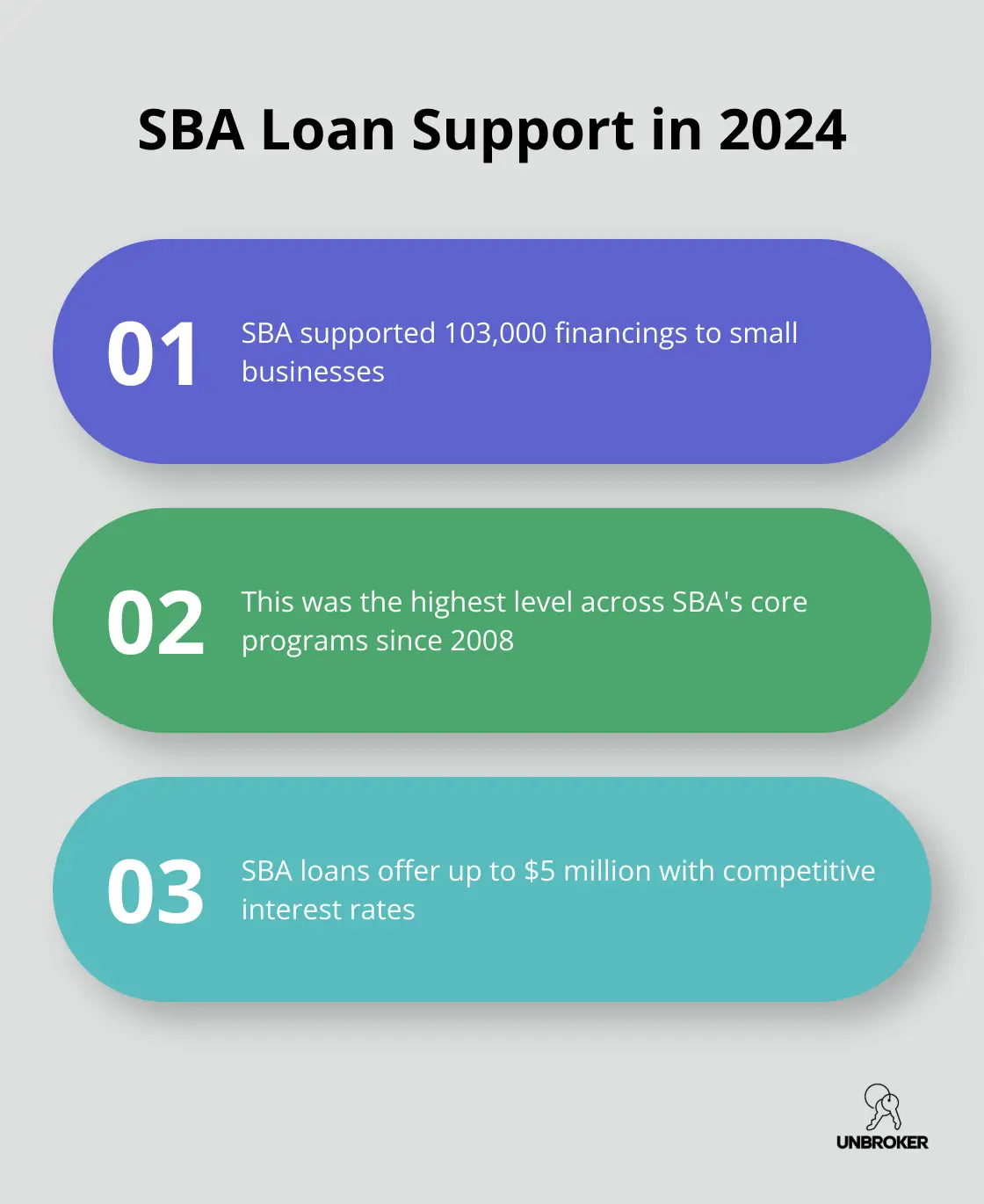
Small Business Administration (SBA) loans often stand out as the top choice for business buyers. The 7(a) program, SBA’s primary loan program, offers up to $5 million with competitive interest rates. In fiscal year 2024, SBA supported 103,000 financings to small businesses, the highest level across SBA’s core programs since 2008.
The 504 program, while less common for business acquisitions, serves for purchasing real estate or equipment. It provides long-term, fixed-rate financing up to $5 million.
Both programs require a down payment (typically 10-20% for the 7(a) and 10% for the 504). The SBA doesn’t directly lend money; instead, it guarantees a portion of the loan, reducing risk for banks to lend to small businesses.
Traditional Term Loans
For those with strong credit and established businesses, traditional bank term loans can serve as an excellent option. These loans offer a lump sum upfront, which you repay over a set period, usually with fixed monthly payments.
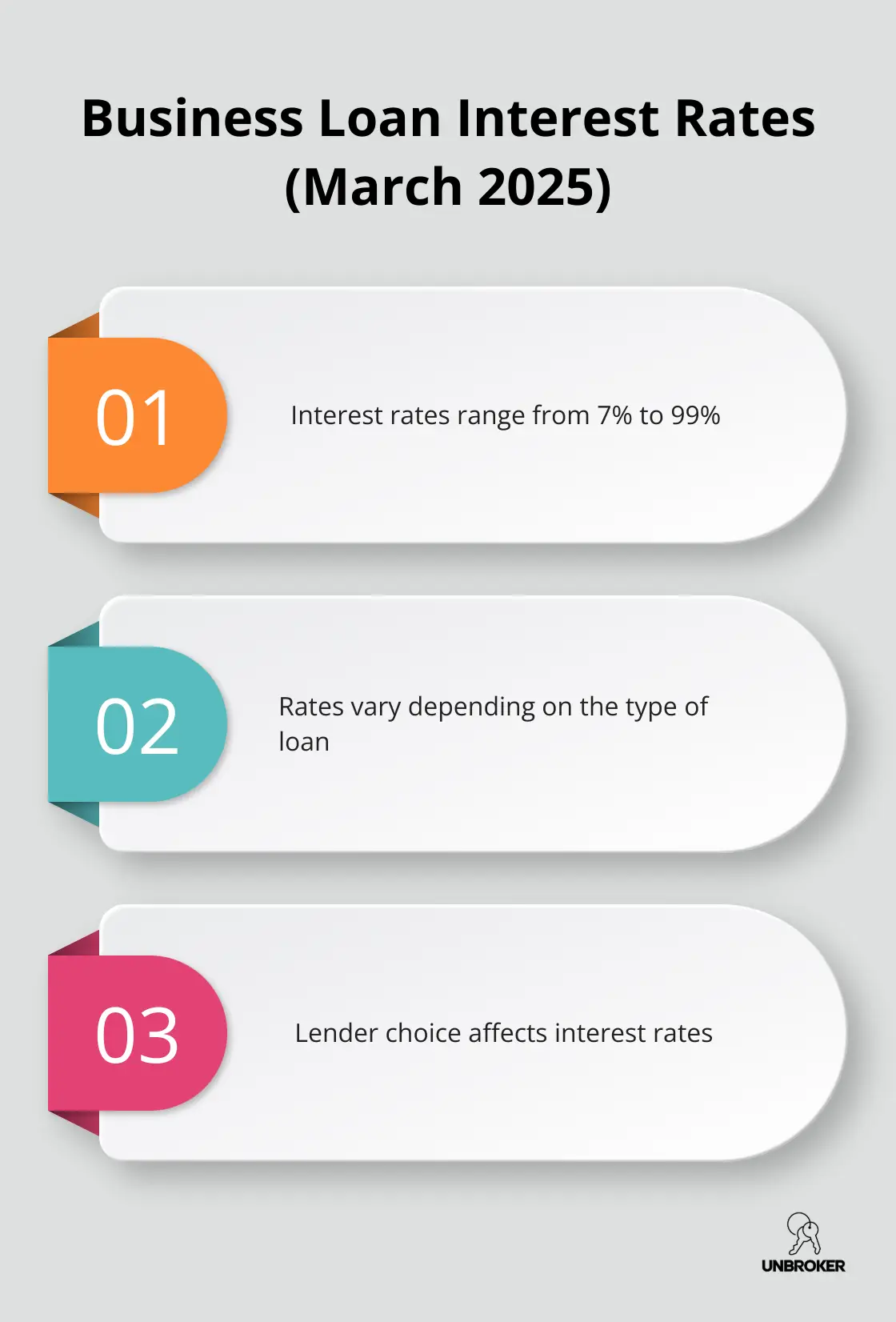
Interest rates for traditional term loans often fall lower than SBA loans, but they typically require higher credit scores and more substantial collateral. As of March 2025, average business loan interest rates range from 7 percent to 99 percent depending on the type of loan and the lender.
Business Lines of Credit
A business line of credit provides flexible funding that you can draw from as needed. This option proves particularly useful if you buy a business and need additional working capital.
According to a 2024 Federal Reserve Small Business Credit Survey, 37% of small businesses that applied for financing sought a line of credit. The approval rate for lines of credit reached 68%, higher than for term loans at 57%.
Equipment Financing
If the business you buy requires significant equipment upgrades, equipment financing might fit your needs. These loans use the equipment as collateral, often allowing for up to 100% financing of the equipment’s value.
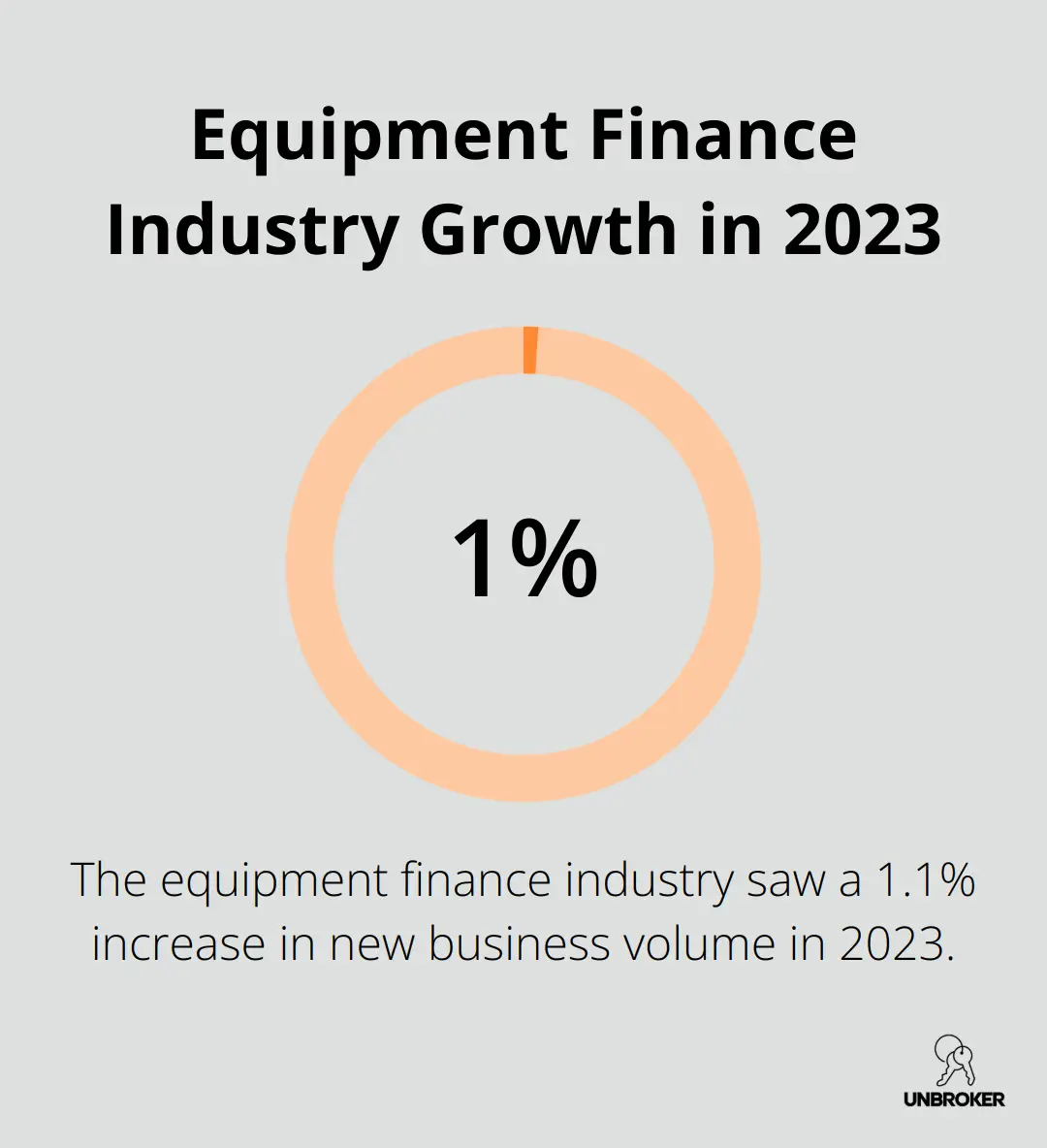
The Equipment Leasing and Finance Association reported that in 2023, the equipment finance industry saw new business volume increase 1.1%.
When you choose a loan type, consider factors like interest rates, repayment terms, and how much of the purchase price you need to finance. The next section will explore the key factors lenders consider when approving business acquisition loans, helping you prepare a strong application.
What Banks Evaluate in Business Acquisition Loans
Credit Score and Financial History
Your personal credit score significantly impacts loan approval. Banks have been increasing minimum credit score requirements for various types of loans, including business acquisition loans.
Banks also examine your financial history (including past bankruptcies, foreclosures, or defaults). A clean record strengthens your application. If you have past financial issues, prepare to explain them and show how you’ve improved your financial management since then.
Business Performance and Potential
The financial health of the business you plan to acquire holds equal importance. Banks typically require at least three years of financial statements (including profit and loss statements, balance sheets, and cash flow projections).
Banks look for solid cash flow, the impact of the lending project on the company’s finances, and healthy financial ratios.
Future potential matters too. Your business plan should clearly outline how you intend to maintain or improve the business’s performance. Include realistic financial projections for the next 3-5 years, backed by market research and industry trends.
Collateral and Down Payment
Most banks require some form of collateral to secure the loan. This could include business assets, real estate, or equipment. The more valuable and liquid the collateral, the more favorable your loan terms might be.
Down payments are also standard for business acquisition loans. SBA loan down payment requirements often range between 0%-10% based on factors like your credit score, collateral, loan use, and the bank’s policy. Traditional bank loans often require higher down payments.
Industry Experience and Management Skills
Banks want to ensure you have the expertise to successfully run the business you’re acquiring. Relevant industry experience significantly boosts your credibility.
If you lack direct experience, consider partnering with someone who does or hiring experienced management. Banks also value general business management skills, so highlight any past entrepreneurial successes or relevant education in your application.
Final Thoughts
Securing a bank loan to buy a business demands meticulous planning and preparation. You must gather comprehensive financial documents, create a detailed business plan, and improve your personal credit score. Various loan options exist, including SBA loans, traditional term loans, and business lines of credit. Banks evaluate multiple factors when considering business acquisition loans, such as credit history, business performance, and industry experience.
Thorough preparation increases your chances of loan approval. If traditional bank loans prove challenging, you can explore alternative financing options like seller financing or private equity. Our modern platform for selling businesses offers transparent, low-cost options that eliminate high brokerage fees.
Securing a bank loan to buy a business marks a significant step in your entrepreneurial journey. Take your time, conduct thorough research, and seek professional guidance when needed. With the right approach, you can successfully finance your business acquisition and start your new venture.




![Why Your Business Sale Is Taking Forever [Common Delays Explained]](https://v6d0bbyc8ns.c.updraftclone.com/wp-content/uploads/emplibot/sale-timeline-hero-1765519819.webp)



![Beyond Traditional Brokers [Your Complete Guide to Modern Options]](https://v6d0bbyc8ns.c.updraftclone.com/wp-content/uploads/emplibot/broker-alternatives-hero-1765174159.webp)