ValuBot is live!
Timing is everything when selling a snow removal business in New England. At Unbroker, we’ve seen firsthand how the right moment can significantly impact your return on investment.
This guide explores the best time to sell a snow removal business in New England and the key factors that influence its value. We’ll also provide practical tips to prepare your business for a successful sale, maximizing your profits in the process.
When Should You Sell Your Snow Removal Business?
Post-Winter Profits (March-April)
March and April offer an excellent opportunity to sell your snow removal business. Your financial records will display peak performance right after a successful winter season. Buyers often pay a premium when they see strong, recent revenue figures. The slower spring months also provide potential buyers time to plan and prepare for the upcoming winter. Pre-storm notifications should reach clients 24-48 hours before expected snowfall, which can be a valuable selling point for your business.
Fall Preparation Frenzy (September-October)
September and October mark another prime selling window. As winter approaches, buyers become eager to acquire established snow removal businesses. They want to start operations when the first snowflakes fall. This urgency often results in higher offers and faster sales processes. However, it’s worth noting that Fall and Winter can bring consistent rain in some locations, which may affect the demand for snow removal services.
Market Conditions Matter
While these timeframes are generally favorable, local market conditions can shift the ideal selling moment. A particularly harsh winter forecast might increase demand for snow removal businesses in August. On the other hand, a mild winter prediction could reduce buyer interest until later in the year.
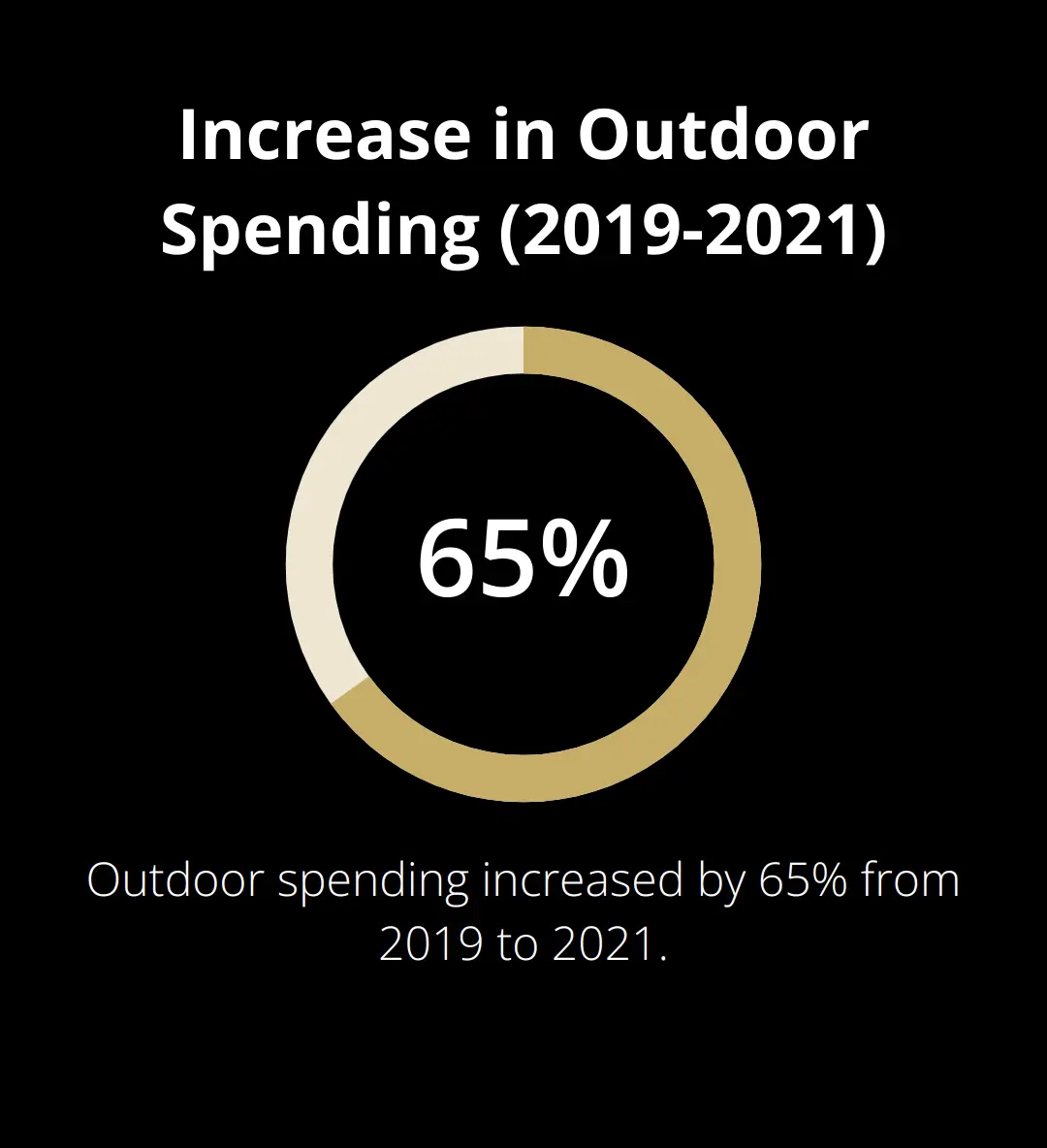
Economic factors also play a significant role. During economic downturns, essential services like snow removal often see increased interest. This counter-cyclical nature can make your business an attractive investment even in tough times. In fact, outdoor spending increased 65% from 2019-2021, 4% higher than overall tourism spending, according to the U.S. Bureau of Economic Analysis.
Timing Considerations
The best time to sell is when your business thrives. Strong financials, a solid customer base, and well-maintained equipment will always make your business more appealing, regardless of the season. Consider these factors when deciding on the optimal time to sell:
- Financial Performance: Sell when your books show consistent growth and profitability.
- Equipment Condition: Time your sale when your fleet is in top shape (but before major replacements are due).
- Market Demand: Monitor local economic indicators and weather forecasts to gauge buyer interest.
- Personal Readiness: Ensure you’re mentally and financially prepared for the transition.
Industry Trends
Stay informed about industry trends that might impact your sale timing. For example:
- Technological advancements in snow removal equipment
- Changes in local regulations affecting snow removal businesses
- Shifts in customer preferences (e.g., eco-friendly de-icing methods)
Understanding these trends can help you position your business more attractively to potential buyers.
As we move forward, let’s explore the key factors that affect the value of a snow removal business, helping you maximize your return when you decide to sell a service business.
What Drives Snow Removal Business Value?
Financial Performance: The Bottom Line
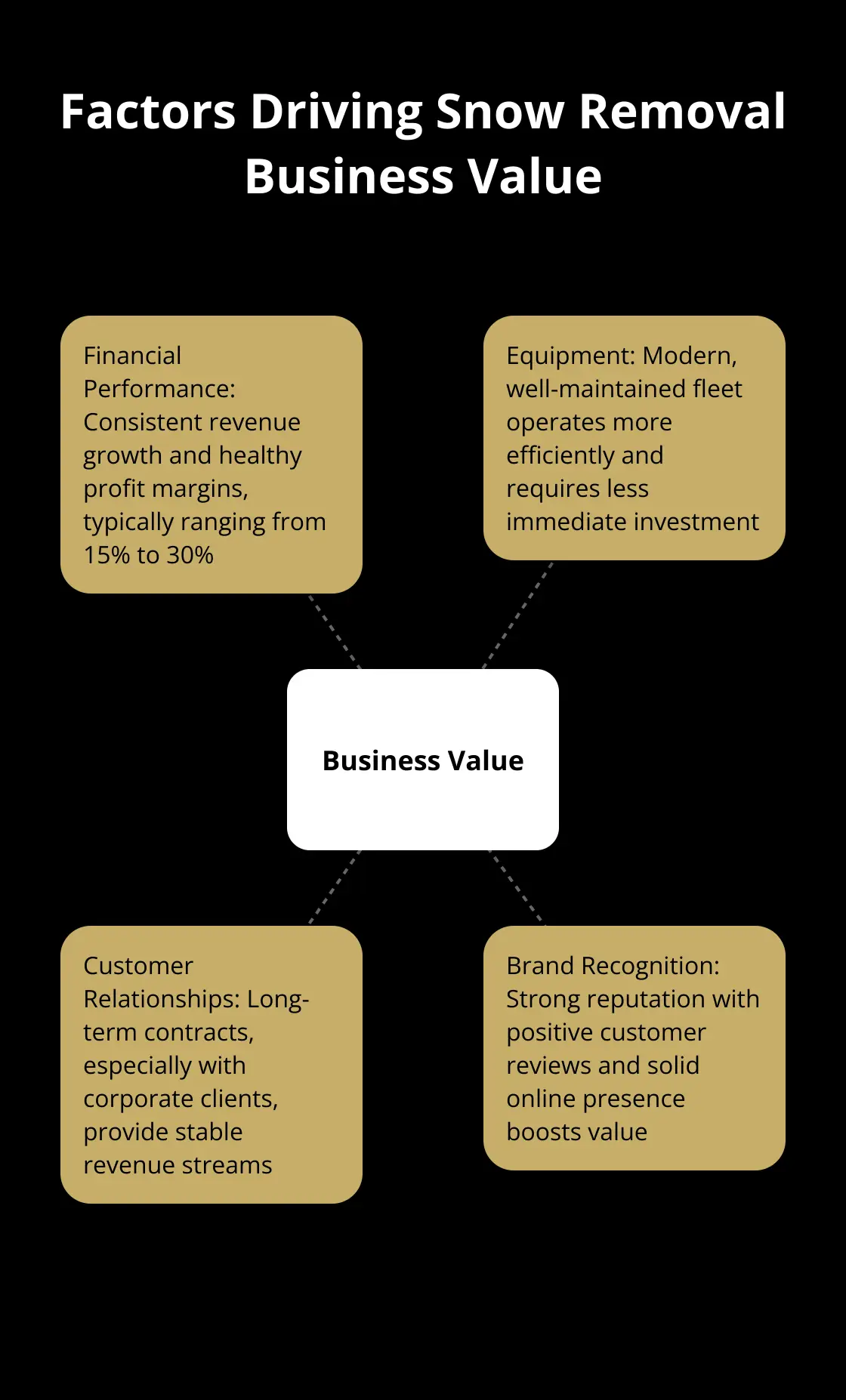
Financial performance forms the foundation of business valuation. Buyers focus on consistent revenue growth and healthy profit margins. Snow removal businesses must show steady income, even during milder winters.
The snow removal industry in the U.S. grows at around 3.5% annually (IBISWorld). This rate serves as a benchmark for your business’s financial performance. If your company outpaces this industry average, it becomes a strong selling point.
Profit margins in snow removal typically range from 15% to 30%. Your business will attract more buyer interest if it falls within or exceeds this range. You can boost your margins through route optimization or investment in efficient equipment.
Equipment: Your Fleet’s Impact on Value
The condition and age of your equipment fleet significantly influence valuation. Modern, well-maintained equipment operates more efficiently and requires less immediate investment from a new owner.
The condition and age of trucks, mowers, and specialized equipment directly influence the asset-based portion of your business valuation. Your valuation improves if your fleet’s average age is lower than this. Upgrading older equipment before selling can increase your business’s appeal and value.
Equipment costs for a corporate snow removal business range from $40,000 to over $100,000. A comprehensive fleet within or above this range demonstrates readiness for large-scale operations, potentially commanding a higher price.
Customer Relationships: The Power of Contracts
A strong, loyal customer base is a valuable asset. Long-term contracts, especially with corporate clients, provide stable revenue streams that attract buyers.
Try to have a mix of contract types, including seasonal flat-rate contracts for predictable income and per-push pricing for flexibility. This diversity can make your business more resilient and valuable.
Brand Recognition: Your Reputation Matters
In the service industry, reputation is everything. A strong brand with positive customer reviews and a solid online presence can significantly boost your business’s value.
Invest in building your online reputation. Encourage satisfied customers to leave reviews on platforms like Google My Business or Yelp. A study found that 87% of consumers read online reviews for local businesses (BrightLocal), highlighting the importance of a positive online presence.
Participate in community events or sponsor local activities to increase brand visibility. This enhances your reputation and demonstrates strong community ties, which can attract potential buyers looking to maintain and grow the business.
These factors work together to create your business’s overall value. As you prepare your snow removal business for sale, consider how you can improve each area to maximize its appeal to potential buyers. The next section will explore practical steps to prepare your business for a successful sale.
How to Prepare Your Snow Removal Business for Sale
Streamline Your Financials
Start by organizing your financial records. Buyers want to see clear, accurate financial statements for at least the past three years. This includes profit and loss statements, balance sheets, and cash flow statements. Make sure your tax returns are up to date and align with your financial records.
Consider hiring a professional accountant to review and potentially recast your financials. Recasting financials restructures your financial statements to give buyers a more relevant picture of your business performance. This process can help identify areas where you might underreport profits, such as personal expenses run through the business.
Upgrade Your Equipment
Your equipment fleet is a major asset. Assess your current inventory and consider strategic upgrades. While you don’t need to replace everything, addressing key pieces can significantly boost your business’s appeal.
Focus on high-impact items like your main plow trucks or salt spreaders. Don’t forget about technology. GPS tracking systems and route optimization software can demonstrate operational efficiency to potential buyers. These tools can reduce fuel costs and increase the number of properties serviced per hour.
Lock In Long-Term Contracts
Secure and extend contracts with your key clients. Long-term agreements provide stable revenue projections, which are highly attractive to buyers. Multi-year contracts can secure business for several seasons, especially in regions with sporadic snow events.
Focus on corporate clients, as they often have larger, more consistent needs. When you approach clients about contract extensions, highlight your reliable service history and consider offering small incentives for longer commitments.
Build a Strong Management Team
A robust management team demonstrates that your business can run smoothly without your constant involvement. This is important for buyers who may not have extensive snow removal experience.
Identify key employees and invest in their development. Provide training in areas like operations management, customer service, and equipment maintenance. The strength of the management team is an important consideration in ownership transitions.
Document your operational processes and create detailed job descriptions. This documentation helps preserve institutional knowledge and makes the transition smoother for a new owner.

Final Thoughts
The best time to sell a snow removal business in New England often aligns with the industry’s natural cycles. Post-winter profits in March and April showcase your business’s peak performance. The fall preparation frenzy in September and October capitalizes on buyers’ eagerness to acquire established operations before winter hits.
Preparation plays a crucial role in maximizing your sale value. You should streamline your financials, upgrade equipment, secure long-term contracts, and build a strong management team. These actions increase your business’s appeal and demonstrate its potential for future growth under new ownership.
At Unbroker, we understand the complexities of selling a snow removal business in New England. Our modern platform for selling businesses offers transparent, low-cost options that eliminate high brokerage fees. We provide the tools and expertise to maximize your sale value (whether you prefer a hands-off approach or a more involved process).




![Why Your Business Sale Is Taking Forever [Common Delays Explained]](https://v6d0bbyc8ns.c.updraftclone.com/wp-content/uploads/emplibot/sale-timeline-hero-1765519819.webp)



![Beyond Traditional Brokers [Your Complete Guide to Modern Options]](https://v6d0bbyc8ns.c.updraftclone.com/wp-content/uploads/emplibot/broker-alternatives-hero-1765174159.webp)